A game in development
Unproven
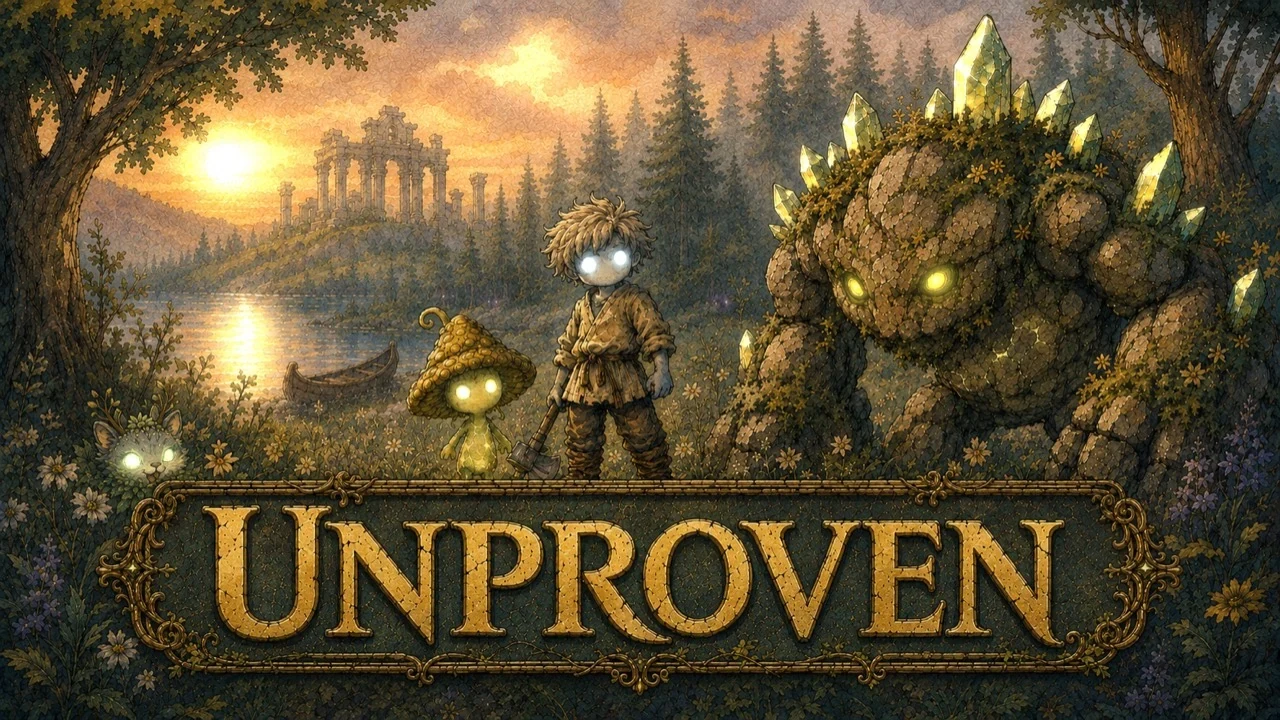
A spirit-filled fantasy world, shaped by exploration, crafting, building and the relationships formed along the way.
The player’s journey
Find your place in The Wend.
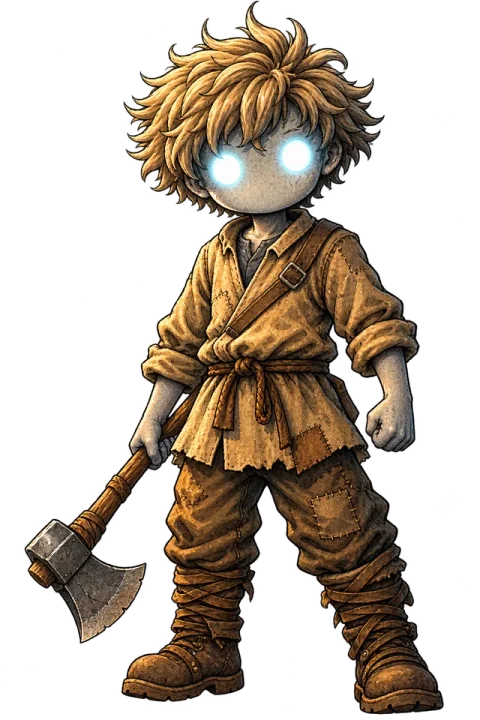
Unproven’s direction brings a young traveler into a world where spirit life and fantasy mysteries share the same landscape. Exploration is meant to lead to discovery, new capabilities and a growing sense of belonging.
The intended experience combines gathering, crafting and building with character progression and action. These ideas guide Unproven’s development as its systems come together into a playable adventure.

Spirit companions
A world with company.
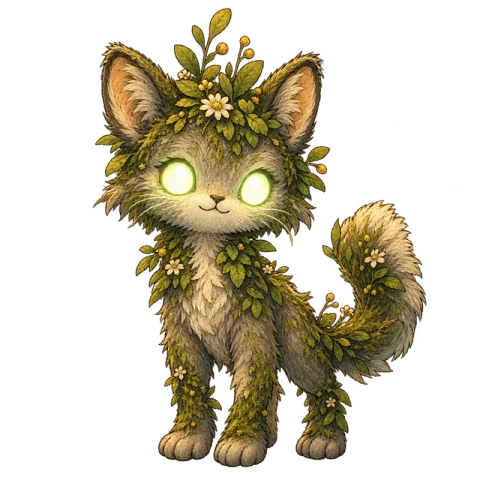
The Spirit Guide and the Earth and Wood Spirits shown here give the world its character. The intended role of spirits reaches beyond combat into exploration and interaction with the environment.
These illustrations introduce the visual direction. Final character names, narrative details and abilities can evolve as the game takes shape.
Exploration, crafting & building
Discover. Make. Settle in.
The world is intended to reward curiosity and practical choices: learning what a place offers, turning resources into useful things, and building somewhere that feels like your own.
Crafting, settlement life and progression are connected design goals. A complete player-facing loop, representative gameplay media and a public release schedule are not established by this draft.
Art & development
Inside the making of Unproven.
A look at the work behind the world: hand-drawn concepts, AI-assisted artwork, character modelling and system experiments. Each image is labelled by its role. These are development materials from individual parts of the project as the larger adventure takes shape.
The sketchbook
Characters begin with shapes, silhouettes and expressions. These hand-drawn studies leave room to explore before settling on a direction.
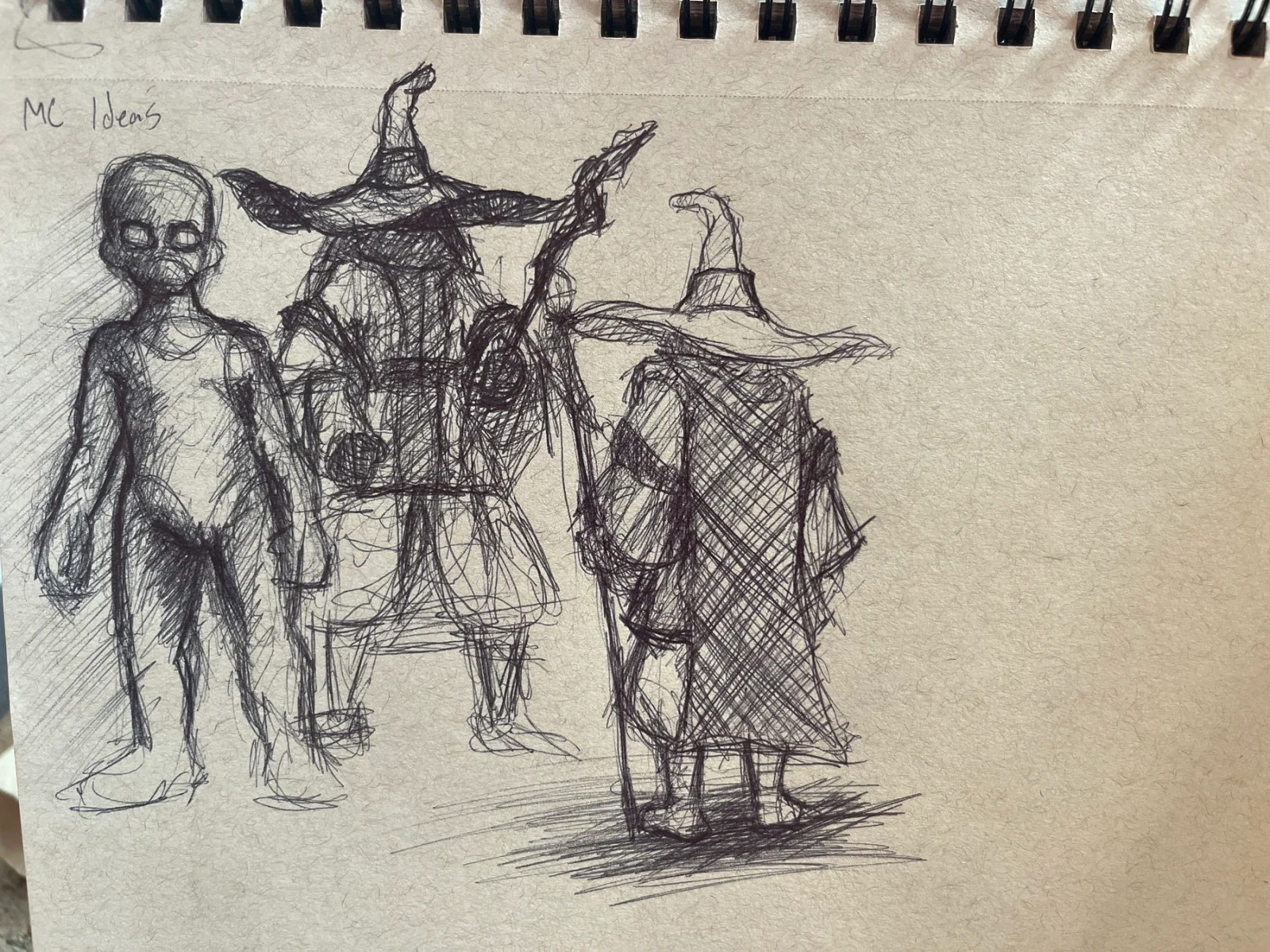
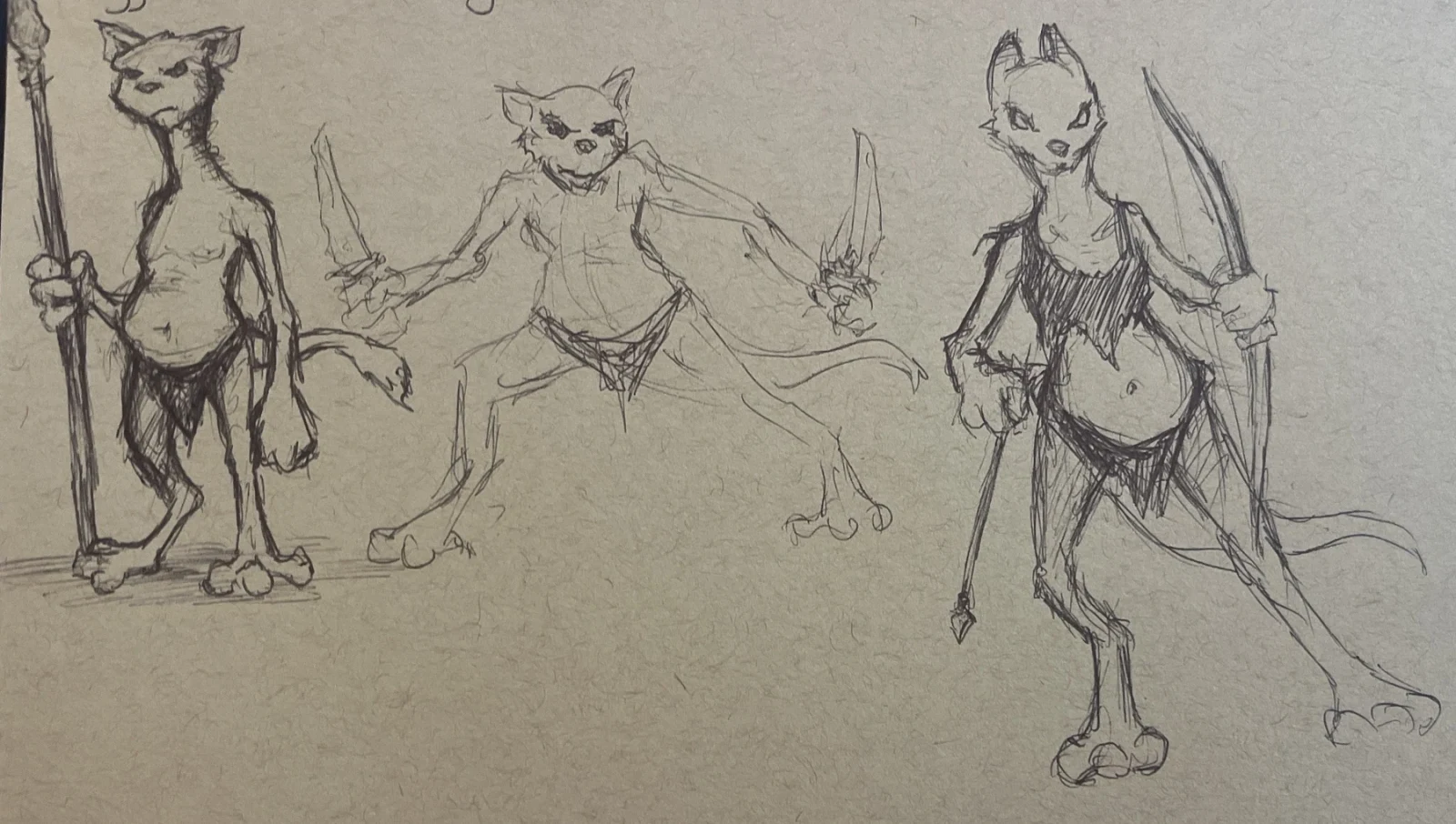
Finding the traveler
Character and clothing studies on a sketchbook page.
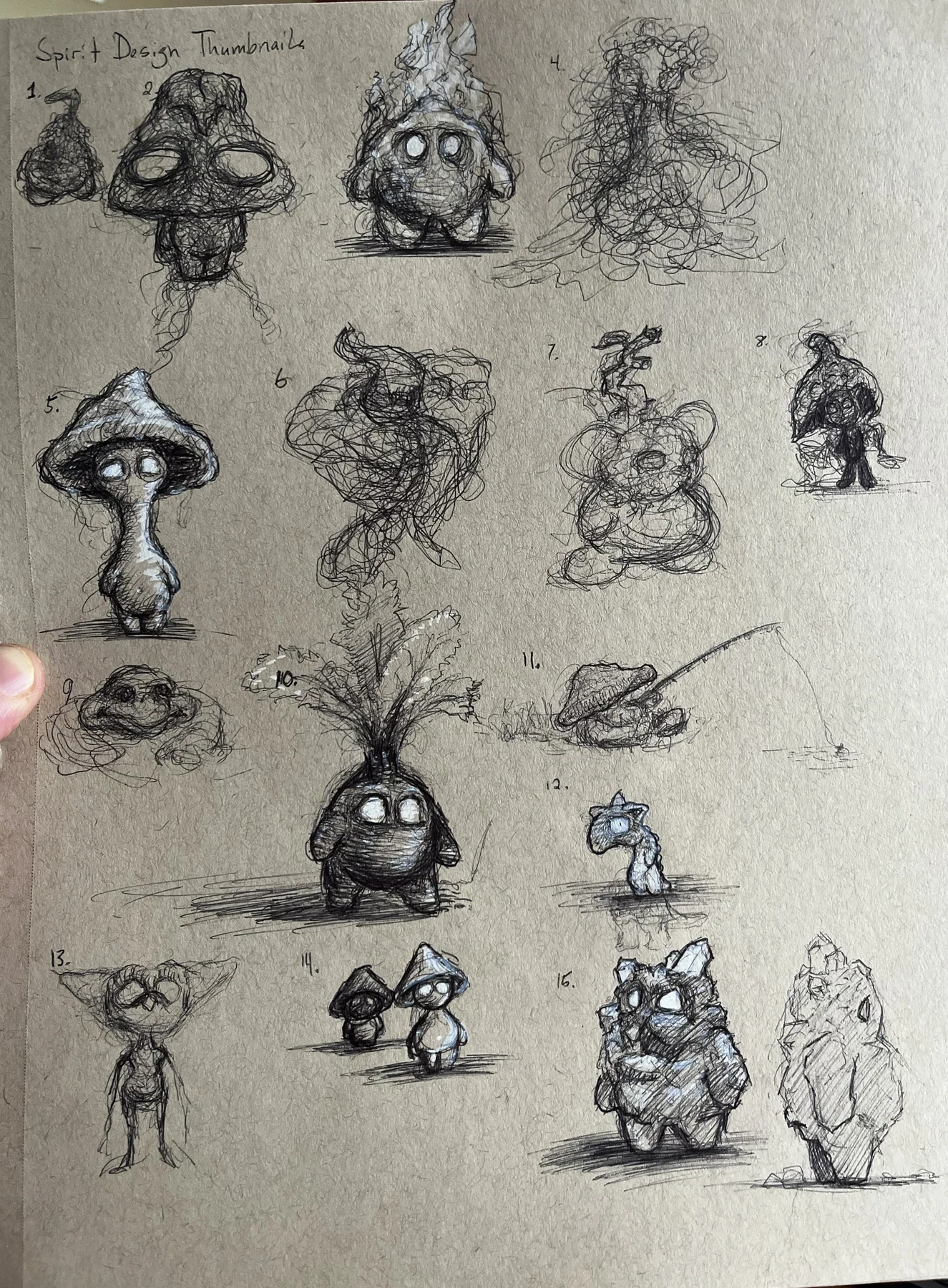
A page of possibilities
Small silhouette studies explore several directions for the spirits.
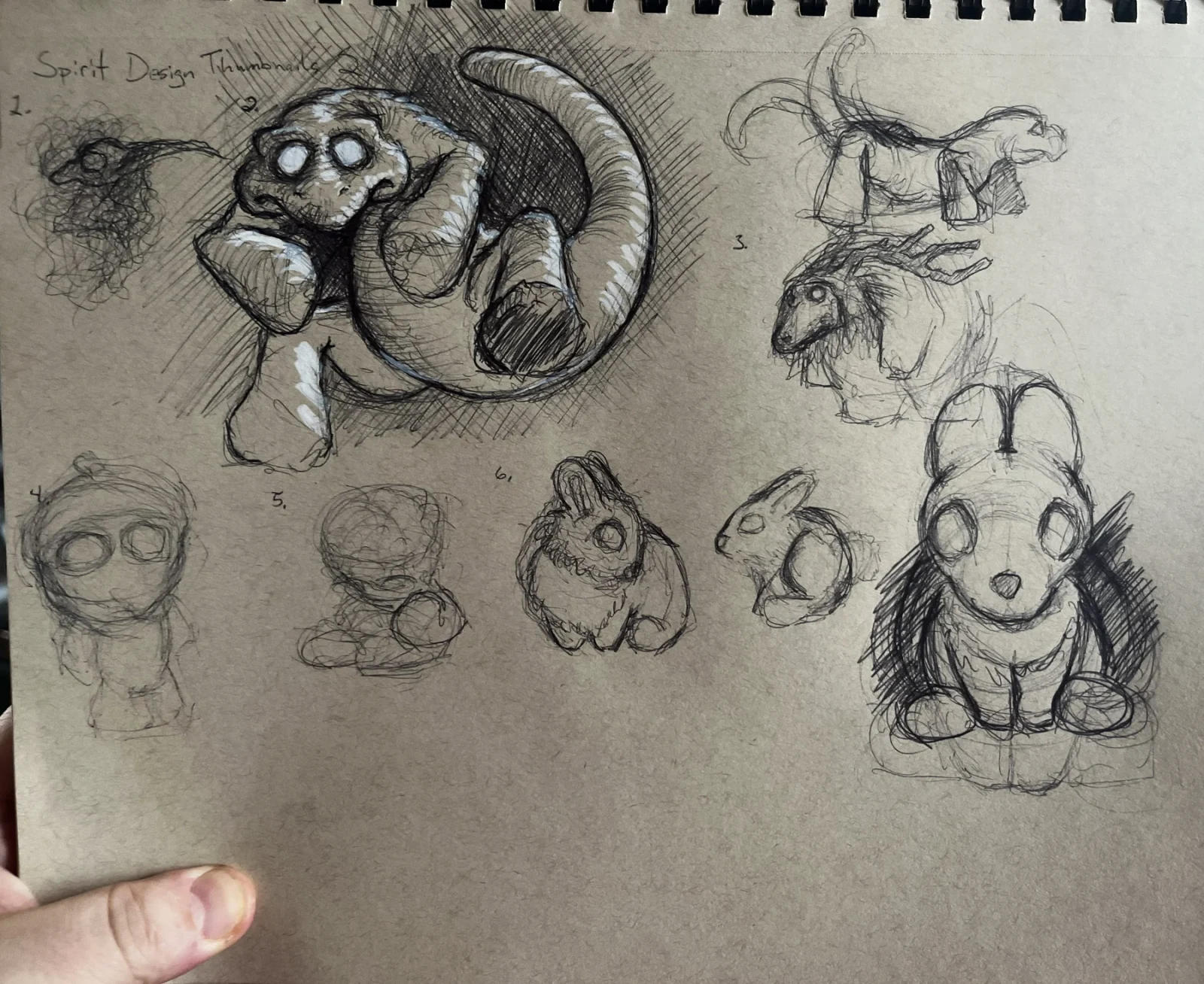
Shape and expression
A second sketchbook sheet explores shape, faces and character.
Creature studies
Creature concepts, shown as an artwork detail.
Exploring the visual direction
AI-assisted concept images help explore characters and atmosphere. They sit alongside the drawing and modelling work as visual development material.
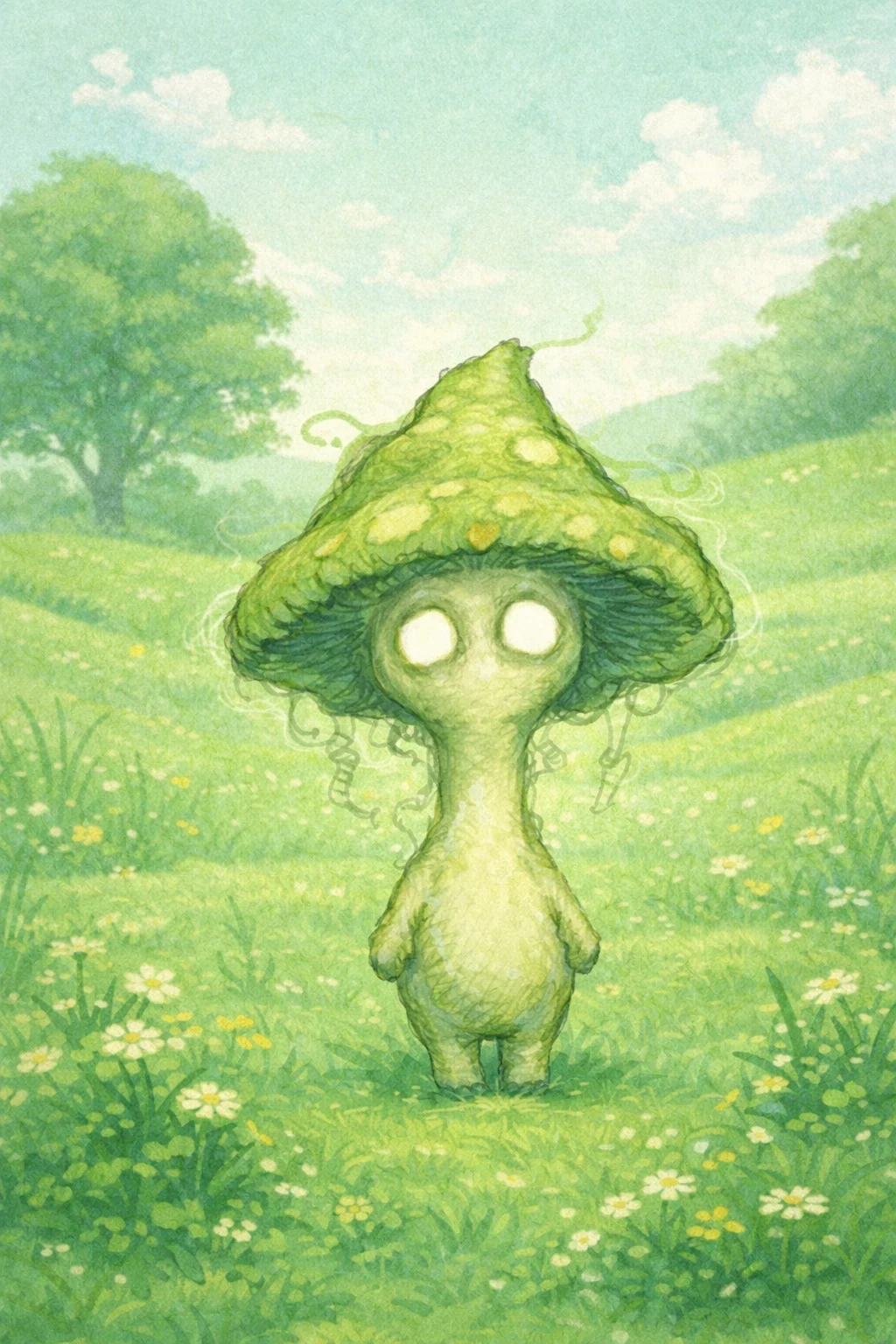
The Spirit Guide
An AI-assisted exploration of the guide’s shape, colour and mood.
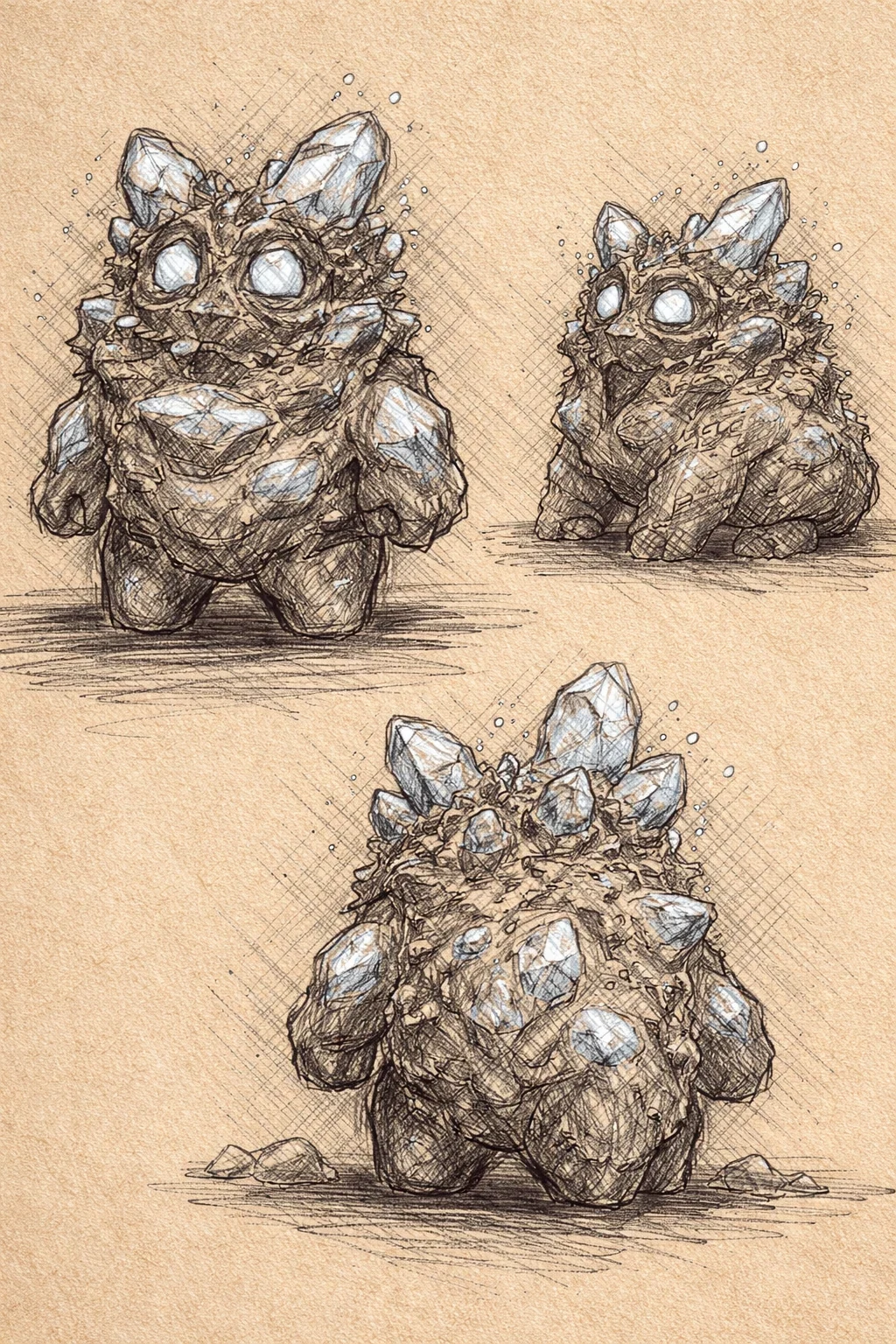
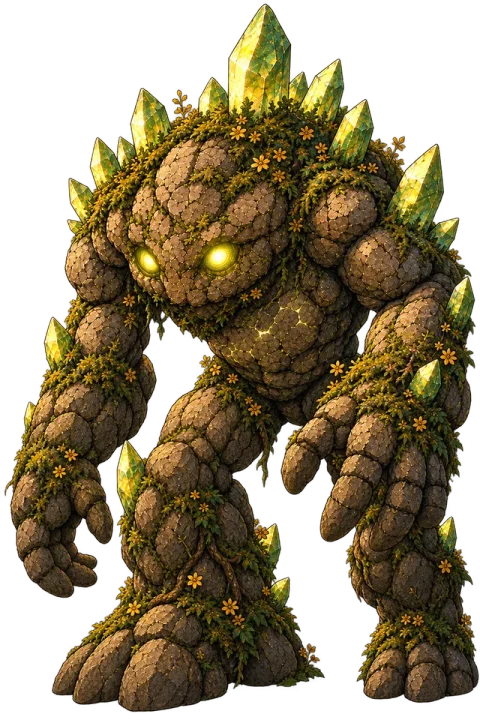
Crystal and character
An AI-assisted Metal Spirit study; concept artwork rather than a production model.
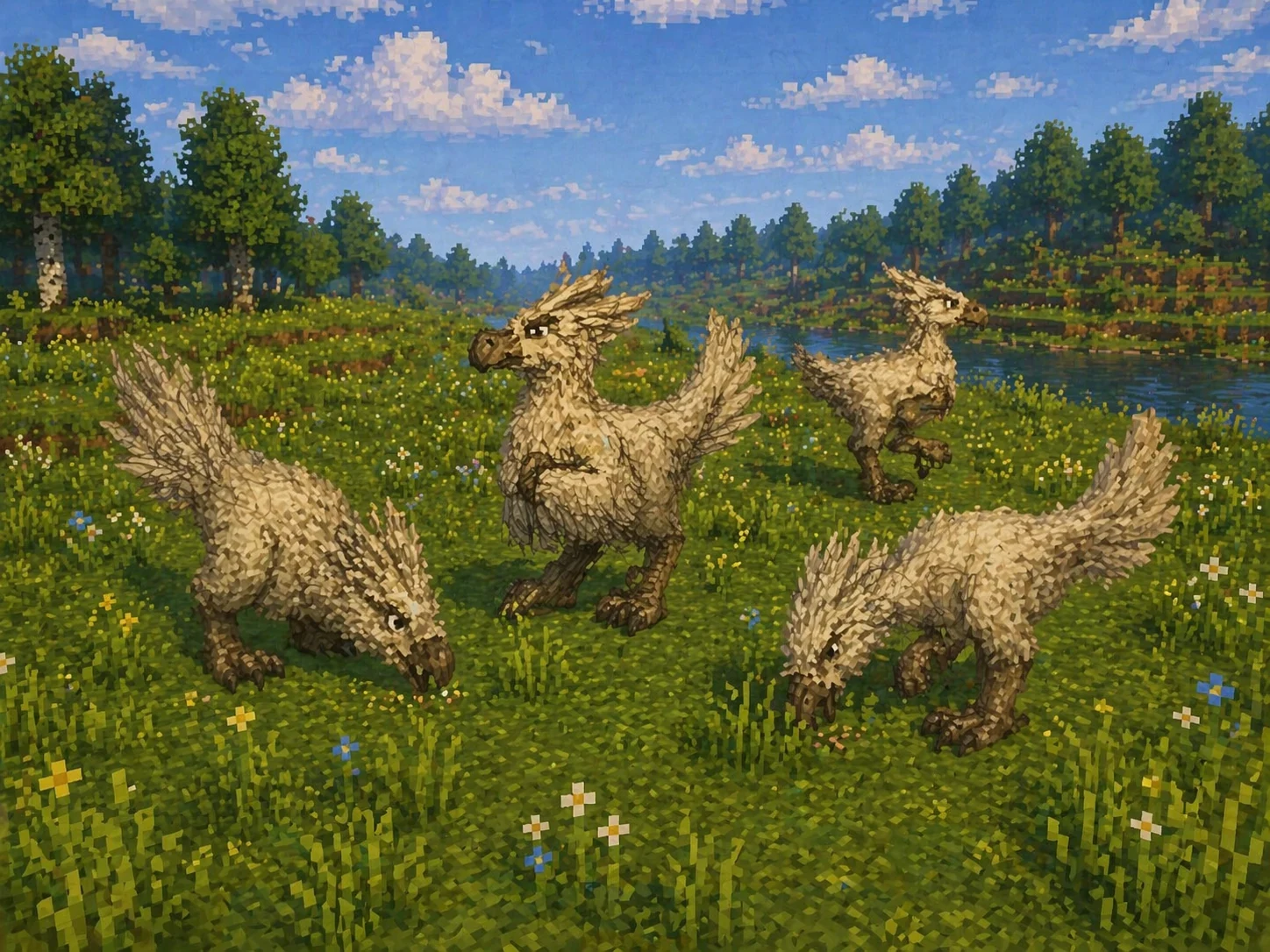
Life in the meadow
An AI-assisted Chuckoo scene exploring creature design in its surroundings.
Characters take shape
Blender models, rig controls and Unity scene captures show different parts of making a character ready for a game.
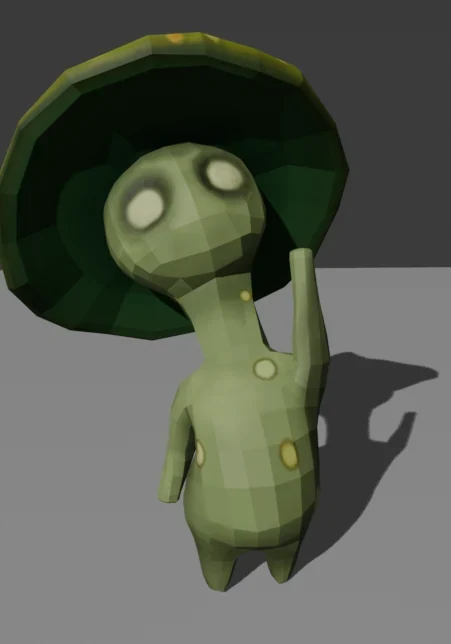
A guide in three dimensions
The Spirit Guide model shown in Blender.
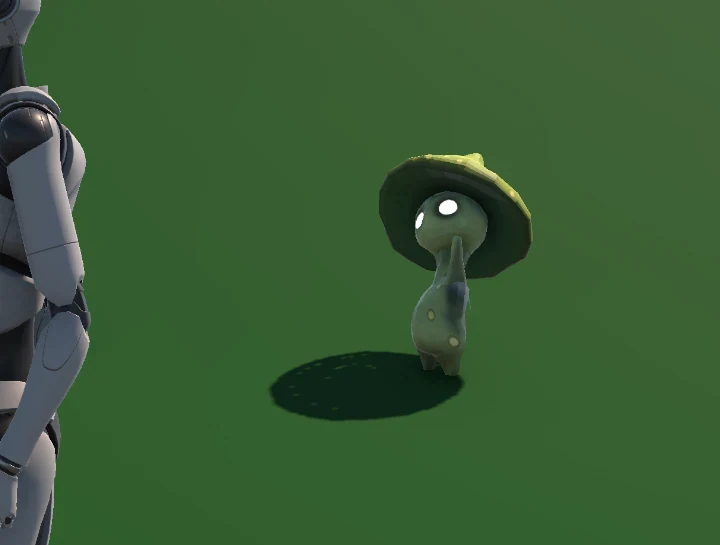
A gesture in the scene
A captured pose of the guide in Unity, with a test mannequin.
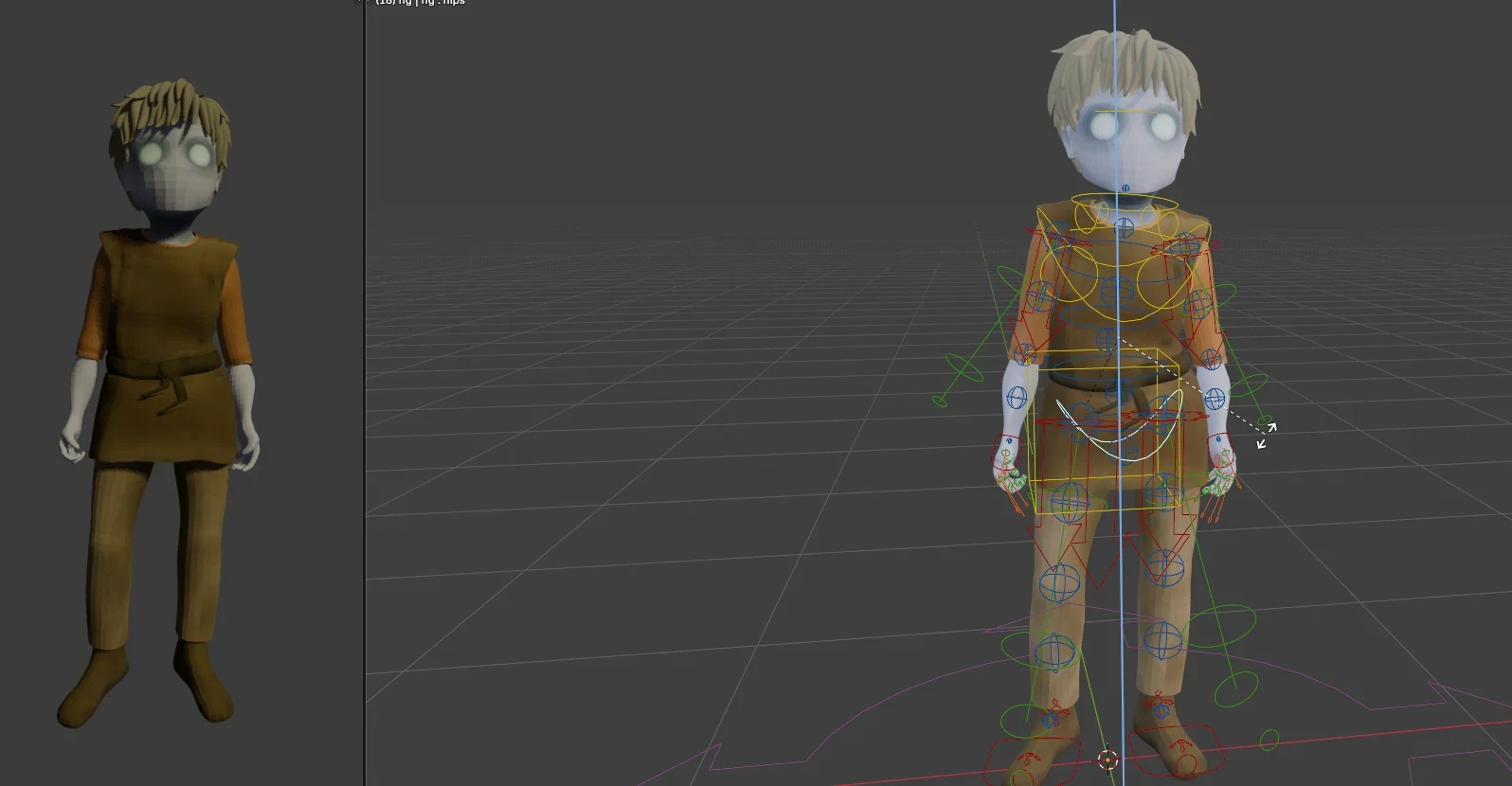
Building the traveler’s rig
Character and rig views from animation work in Blender. This still shows the setup rather than a playable sequence.
Building the world
Developer maps make terrain and river systems visible. Tree and grass captures show the work of filling that world and shaping its interactions.
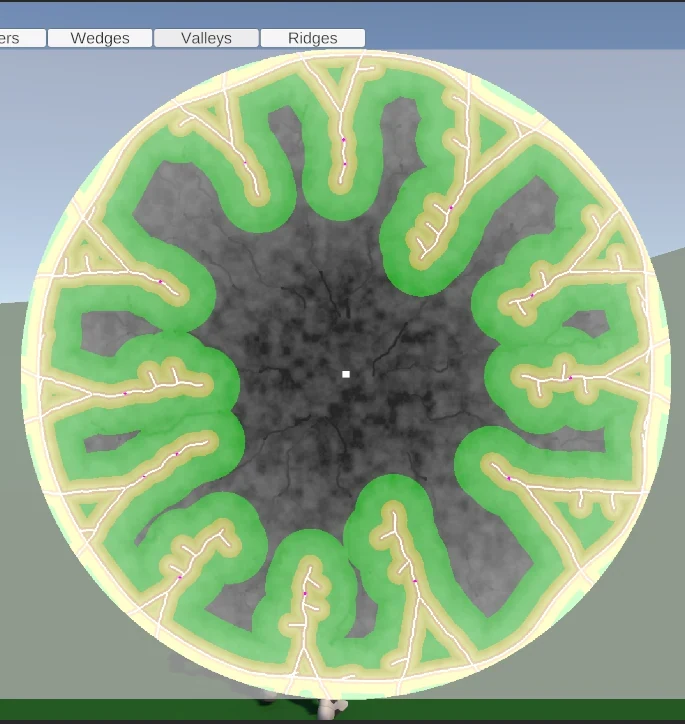
Reading the terrain
An early procedural mountain, ridge and valley map.
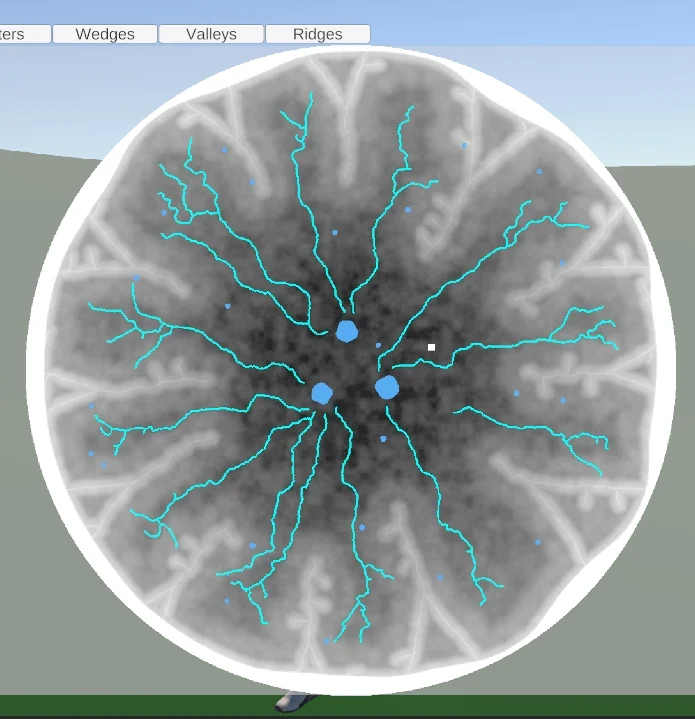
Tracing the rivers
A river-system debugging view. It presents development data rather than the final world map.
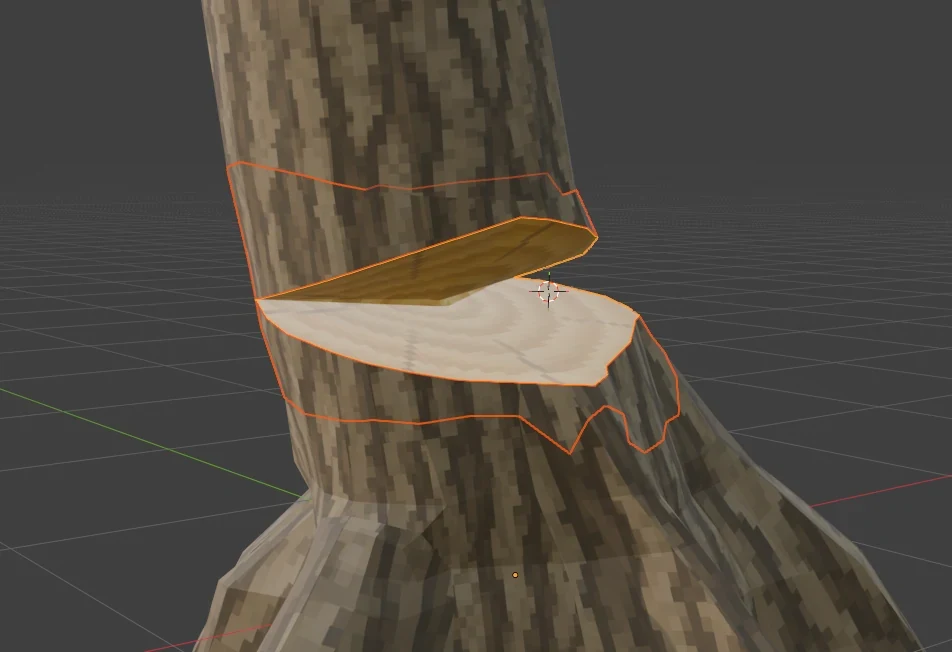
Modelling the cut
A tree-trunk cut study in Blender.
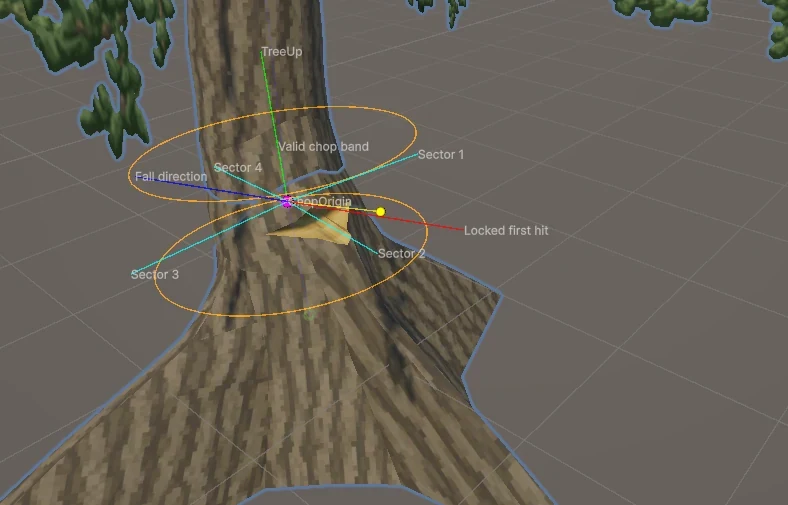
Making an interaction visible
Tree-chopping development with visible interaction guides.
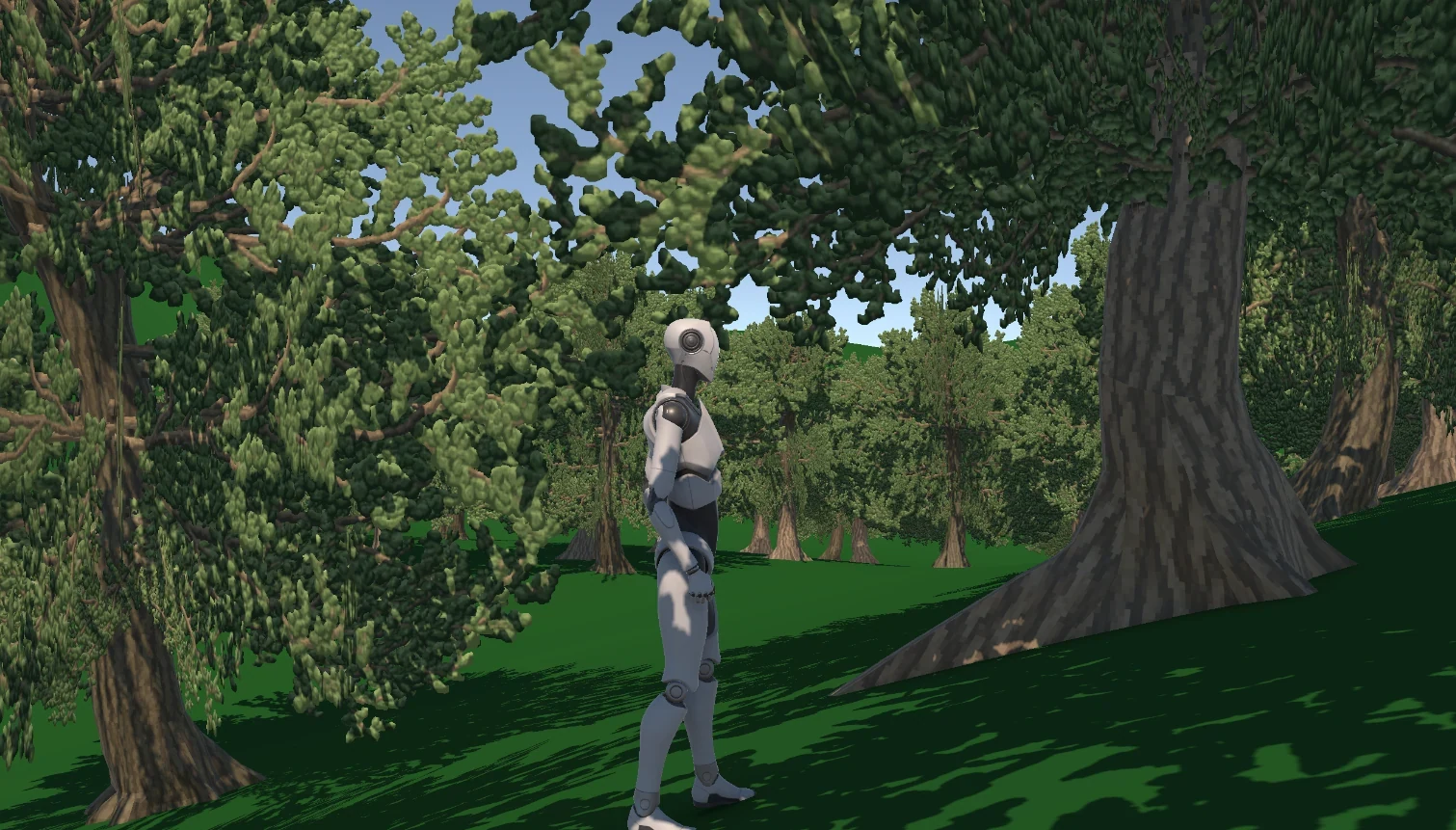
Growing the woodland
An elm-generation development scene, with a test mannequin for scale.
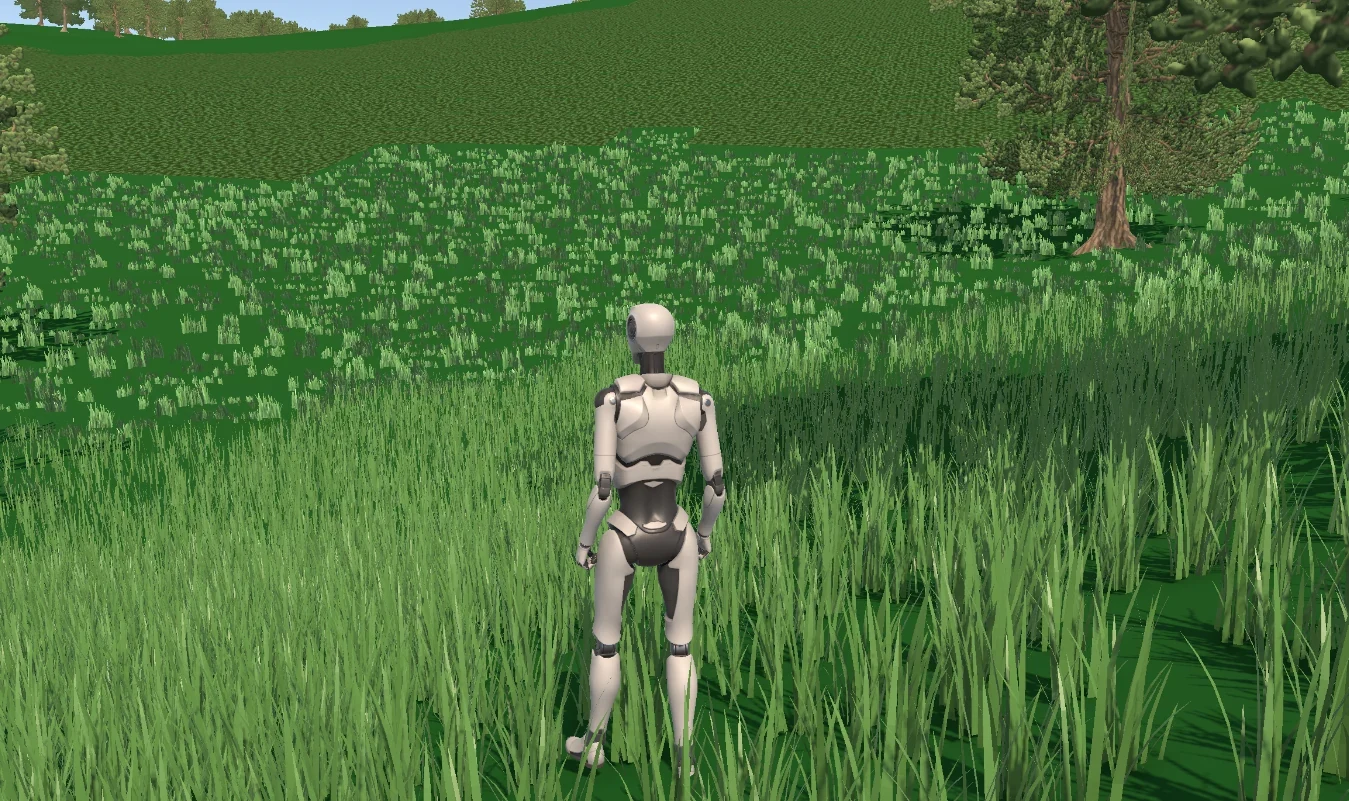
Ground cover takes shape
A grass-generation development scene.
Implemented foundations
The work beneath the world.
The accepted Inventory Core baseline covers identity, ownership, revisions and publication, storage, resource requirements, reservations, and equipment. It keeps the C# domain separate from Unity presentation.
Broader subsystem work includes deterministic world queries, terrain ownership and readiness boundaries, and tree generation, chopping, felling and snapshots. These foundations have their own integration limits; they do not establish a completed open-world game.
The next Inventory Core slice remains design and review work. Player presentation, combat, world-loot integration and full save orchestration are separate work from the accepted core.
Read how I directed the development →